Knock Knees Disease: Causes, Symptoms, Diagnosis, Treatment, and When Surgery Is Needed
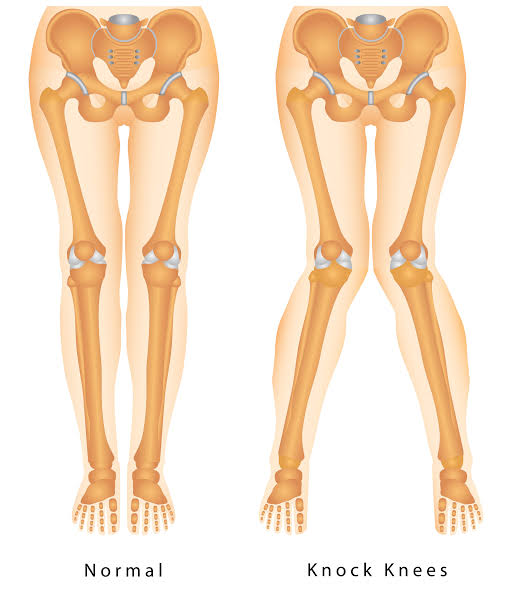
Knock knees disease, medically known as genu valgum, is a condition in which the knees angle inward while the ankles remain apart when standing. Furthermore, this condition is relatively common during childhood and often corrects itself naturally as children grow. However, in some individuals, knock knees disease persists into adolescence or adulthood, leading to pain, abnormal walking patterns, and joint problems. Consequently, early evaluation by an orthopedic specialist becomes important.
Fortunately, modern orthopedic treatments can effectively manage knock knees disease. Therefore, patients may benefit from observation, physiotherapy, bracing, or surgical correction depending on the severity of the deformity. Furthermore, early diagnosis helps prevent long-term complications such as knee arthritis and joint degeneration. Consequently, timely treatment improves mobility and quality of life.
This comprehensive guide explains everything you should know about knock knees disease, including causes, symptoms, diagnosis, treatment options, recovery, and advanced orthopedic care.
What Is Knock Knees Disease?
Knock knees disease is a condition where the knees move inward and touch each other while the ankles remain separated when standing with the legs straight.
This condition may occur:
- During normal childhood development
- Due to nutritional deficiencies
- Following injuries
- Because of bone disorders
- Due to genetic conditions
Furthermore, mild knock knees during early childhood are considered normal. Consequently, many children improve naturally without medical intervention.
However, persistent or severe deformities require orthopedic evaluation.
Normal Development vs Knock Knees Disease
Parents often wonder whether inward knee alignment is normal.
Physiological Knock Knees
Children between two and seven years may naturally develop mild knock knees.
Furthermore, this usually resolves with growth.
Persistent Knock Knees Disease
The condition continues beyond childhood.
Progressive Deformity
Consequently, knee alignment worsens over time.
Adult Knock Knees
Therefore, untreated childhood deformity or arthritis may contribute to adult genu valgum.
Causes of Knock Knees Disease
Several medical conditions may lead to knock knees disease.
Nutritional Deficiencies
Vitamin D deficiency and rickets may affect bone development.
Genetics
Furthermore, inherited skeletal conditions may contribute.
Previous Fractures
Improper healing can alter limb alignment.
Arthritis
Joint degeneration may gradually change knee alignment.
Bone Disorders
Consequently, abnormal bone growth affects leg positioning.
Obesity
Therefore, excessive body weight may increase stress on developing joints.
Symptoms of Knock Knees Disease
Symptoms vary depending on severity.
Common symptoms include:
Knees Touch While Standing
The ankles remain apart.
Abnormal Walking Pattern
Furthermore, gait may appear awkward.
Knee Pain
Pain often develops during prolonged walking.
Joint Stiffness
Movement becomes uncomfortable.
Fatigue
Consequently, muscles work harder to compensate.
Reduced Physical Activity
Therefore, sports and exercise may become difficult.
Complications of Untreated Knock Knees Disease
Ignoring knock knees disease may eventually result in additional orthopedic problems.
Early Knee Arthritis
Abnormal joint loading accelerates cartilage wear.
Joint Instability
Furthermore, knee alignment becomes progressively worse.
Hip Pain
Abnormal mechanics affect nearby joints.
Ankle Problems
Consequently, altered walking patterns stress the ankles.
Chronic Knee Pain
Therefore, daily activities become increasingly difficult.
How Is Knock Knees Disease Diagnosed?
Accurate diagnosis allows orthopedic specialists to recommend appropriate treatment.
Physical Examination
Leg alignment is carefully assessed.
Walking Assessment
Furthermore, gait abnormalities are evaluated.
X-rays
Bone alignment is measured precisely.
Long-Leg Alignment Imaging
Consequently, the degree of deformity is determined.
Medical History
Therefore, previous injuries and childhood development are reviewed.
Non-Surgical Treatment for Knock Knees Disease
Fortunately, many patients improve without surgery.
Observation
Children with mild deformities may simply require monitoring.
Physiotherapy
Furthermore, strengthening exercises improve joint stability.
Weight Management
Reducing body weight decreases knee stress.
Nutritional Support
Vitamin deficiencies should be corrected.
Activity Modification
Consequently, excessive joint stress can be reduced.
Therefore, conservative treatment is often effective for mild cases.
When Is Surgery Recommended?
Some patients require surgical correction.
Surgery may be considered if:
Severe Deformity
Leg alignment significantly affects function.
Persistent Pain
Furthermore, conservative treatment fails.
Progressive Arthritis
Joint damage continues to worsen.
Functional Limitations
Walking becomes increasingly difficult.
Adult Deformity
Consequently, correction improves long-term mobility.
Therefore, surgical treatment is individualized according to each patient’s condition.
Knee Replacement in Bhubaneswar for Advanced Joint Damage
In severe adult cases where knock knees disease has caused significant arthritis, Knee Replacement in Bhubaneswar may become an effective treatment option.
Available procedures include:
- Total knee replacement
- Partial knee replacement
- Robotic-assisted surgery
- Minimally invasive knee replacement
- Revision knee replacement
Furthermore, modern surgical techniques help restore alignment while relieving pain.
Consequently, patients regain better mobility and quality of life.
Total Knee Arthroplasty Bhubaneswar
Patients with severe arthritis resulting from long-standing knock knees disease may require total knee arthroplasty Bhubaneswar.
Damaged Cartilage Is Removed
The worn joint surfaces are carefully prepared.
Artificial Implants Restore Alignment
Furthermore, durable implants improve knee function.
Joint Stability Improves
Correct positioning restores mechanics.
Pain Is Reduced
Consequently, patients regain confidence during walking.
Therefore, total knee arthroplasty Bhubaneswar remains an excellent treatment option for advanced arthritis.
Partial Knee Arthroplasty Bhubaneswar
Not every patient requires complete knee replacement.
For instance, selected individuals may benefit from partial knee arthroplasty Bhubaneswar.
Benefits include:
Smaller Incision
Less tissue disruption.
Preservation of Healthy Bone
Furthermore, healthy structures remain intact.
Faster Recovery
Patients often resume activities sooner.
Better Knee Function
Consequently, movement feels more natural.
Recovery After Treatment
Recovery depends on the treatment method.
Physiotherapy
Exercises restore strength and flexibility.
Walking Programs
Furthermore, mobility gradually improves.
Pain Management
Modern treatment protocols improve comfort.
Functional Training
Consequently, everyday activities become easier.
Follow-Up Care
Therefore, long-term outcomes improve.
Knee Replacement Cost In Bhubaneswar
Patients with advanced knock knees disease frequently ask about Knee Replacement Cost In Bhubaneswar.
Several factors influence costs.
Implant Selection
Different implants affect pricing.
Hospital Infrastructure
Furthermore, advanced facilities influence expenses.
Surgical Technique
Robotic or minimally invasive procedures may differ in cost.
Rehabilitation Programs
Consequently, physiotherapy contributes to treatment expenses.
Individual Health Condition
Therefore, a personalized consultation provides the most accurate estimate.
Why Choose Dr. Chandan Kumar Panda?
Patients with knock knees disease often seek an experienced orthopedic surgeon for comprehensive evaluation and personalized treatment.
Dr. Chandan Kumar Panda specializes in:
- Knee deformity correction
- Joint replacement surgery
- Knee arthritis treatment
- Sports injury management
- Arthroscopic surgery
- Joint preservation procedures
- Personalized rehabilitation planning
Furthermore, every patient undergoes a detailed orthopedic assessment before treatment recommendations are made.
Consequently, each treatment plan is tailored according to age, severity of deformity, activity level, and long-term goals.
Recommended Internal Links
Interlink this article with:
- https://drchandanpanda.com/about-us/
- https://drchandanpanda.com/joint-replacement-surgery/
- https://drchandanpanda.com/conservative-treatment/
- https://drchandanpanda.com/non-surgical-pain-intervention/
- https://drchandanpanda.com/sports-injury/
- https://drchandanpanda.com/blog/
- https://drchandanpanda.com/contact-us/
Why Patients Choose Bhubaneswar for Orthopedic Treatment
Patients requiring Knee Replacement in Bhubaneswar benefit from:
Experienced Orthopedic Surgeons
Expert care improves outcomes.
Advanced Technology
Furthermore, modern surgical equipment enhances precision.
Comprehensive Rehabilitation
Recovery programs support long-term mobility.
Personalized Care
Consequently, treatment plans are tailored to each patient.
Additionally, patients traveling from outside Bhubaneswar often choose Keshav Cab for dependable transportation between airports, railway stations, hotels, hospitals, physiotherapy centers, and follow-up appointments.
Therefore, the overall medical journey becomes more convenient.
How to Reduce the Risk of Knee Problems
Preventive care plays an important role.
Maintain Healthy Weight
Furthermore, reducing excess weight decreases joint stress.
Exercise Regularly
Strengthening muscles improves alignment and stability.
Treat Vitamin Deficiencies
Consequently, healthy bone development is supported.
Seek Early Medical Advice
Persistent deformities should not be ignored.
Follow Orthopedic Recommendations
Therefore, long-term joint health improves.
Book Your Consultation Today
If you or your child has symptoms of knock knees disease, early orthopedic evaluation can help prevent future complications and improve long-term joint health.
Whether you are considering Knee Replacement in Bhubaneswar, comparing Knee Replacement Cost In Bhubaneswar, evaluating total knee arthroplasty Bhubaneswar, or exploring partial knee arthroplasty Bhubaneswar, consulting an experienced orthopedic surgeon is the first step toward effective treatment.
Frequently Asked Questions
What is knock knees disease?
Knock knees disease, or genu valgum, is a condition where the knees angle inward while the ankles remain separated when standing.
Can knock knees disease correct itself?
Yes. Furthermore, mild cases in young children often resolve naturally as the bones develop. Persistent or severe cases require orthopedic evaluation.
When is surgery needed for knock knees disease?
Surgery may be recommended when there is significant deformity, persistent pain, progressive arthritis, or reduced mobility despite conservative treatment.
Who requires total knee arthroplasty Bhubaneswar?
Adults with advanced arthritis and severe knee deformity affecting the entire joint may benefit from total knee arthroplasty after clinical assessment.
Who qualifies for partial knee arthroplasty Bhubaneswar?
Patients with arthritis limited to one compartment of the knee may qualify following orthopedic evaluation and imaging.
What affects Knee Replacement Cost In Bhubaneswar?
Implant selection, hospital facilities, surgeon expertise, rehabilitation services, surgical techniques, and individual health conditions all influence treatment costs.
External Authority Links
For stronger entity recognition and off-page authority, include: