
What is Joint Preservation Surgery?
Joint Preservation Surgery is an advanced orthopedic treatment designed to protect and prolong the life of a natural joint, delaying or even preventing the need for total joint replacement. Unlike traditional joint replacement surgeries, this approach focuses on repairing, regenerating, or realigning the joint structure to maintain natural function. Techniques such as osteotomy, cartilage repair, ligament reconstruction, and arthroscopy are commonly used, depending on the severity and location of the joint damage. It is especially suitable for joints like the knee, hip, and shoulder where early intervention can lead to excellent long-term outcomes.
Who Needs Joint
Preservation Treatment?
Joint Preservation Surgery is ideal for individuals who are in the early to mid-stages of joint degeneration or have sustained joint injuries due to sports, overuse, or trauma. It is commonly recommended for:
Young to middle-aged adults who want to avoid early joint replacement.
Athletes and active individuals seeking to return to physical activities.
Patients with joint misalignment or instability that causes uneven wear.
Those experiencing cartilage damage or mild arthritis.
Benefits of Joint Preservation Surgery
Delays or prevents total joint replacement, especially beneficial for younger patients.
Maintains natural joint function and mobility, improving overall quality of life.
Minimally invasive techniques result in smaller incisions, reduced pain, and faster recovery.
Helps restore joint alignment and stability, reducing long-term damage.
Offers a customized solution based on the type and severity of joint injury.
Promotes long-term joint health by addressing the root cause of degeneration.
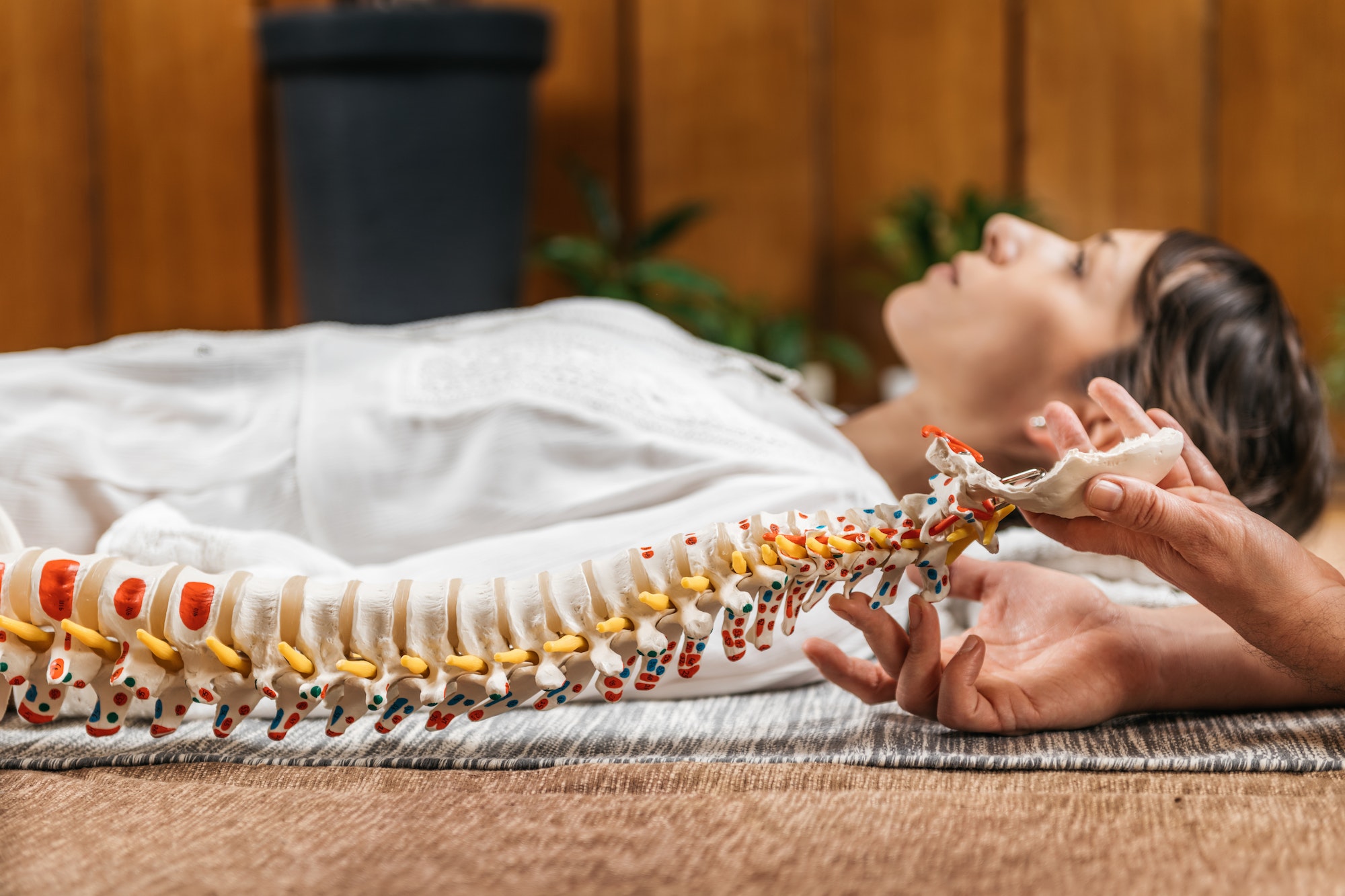
What is Non-Surgical Joint & Back Pain Intervention?
Non-Surgical Joint and Back Pain Intervention is a modern and effective orthopedic treatment approach that focuses on healing joint and spinal conditions without the need for invasive surgery. This treatment integrates a combination of physical therapy, targeted pain management, guided injections, manual techniques, and lifestyle corrections to reduce pain, inflammation, and stiffness while restoring mobility and functionality.
Ideal for patients suffering from chronic conditions such as arthritis, herniated discs, sciatica, or muscle strain, this approach is designed to treat the root cause of pain using scientifically proven non-invasive methods. Whether it’s lower back pain, neck stiffness, or joint discomfort in the knees, hips, or shoulders, this conservative care pathway offers long-term relief without the risks or downtime associated with surgery.


Know
FAQs
Frequently Asked Questions About Knee Pain
How long does knee replacement surgery take?
The duration of knee replacement surgery can vary depending on the individual case and procedure. Your surgeon can explain the expected duration during your pre-operative planning.
What is the success rate of knee replacement surgery?
Outcomes vary between patients and depend on factors such as the underlying condition, overall health, surgical factors and rehabilitation. Your surgeon can discuss expected outcomes for your individual case.
Can both knees be replaced together?
Some patients may be considered for treatment of both knees together, while others may undergo staged procedures. The appropriate approach depends on individual clinical assessment.
Is knee replacement surgery painful?
Some pain and discomfort can be expected after surgery. Pain management and rehabilitation are important parts of the recovery process.
How long does it take to recover from knee replacement?
Recovery varies between patients. Mobility and function generally improve progressively through early movement, physiotherapy and rehabilitation.
Do I need knee replacement if I have knee pain?
Not necessarily. Knee replacement is only one treatment option. The appropriate treatment depends on the underlying cause, severity of joint damage, symptoms and response to other treatments.
The audit specifically calls out surgery duration, success rate and whether both knees can be replaced together as FAQ topics for this page.
Statistics
Begin Your Recovery Journey
Start your treatment with full support, expert care, and regular follow-ups.
EXCELLENTTrustindex verifies that the original source of the review is Google. I recently had the unfortunate experience of sustaining a leg fracture that left me in excruciating pain. The moment I arrived at Dr. Panda's office, I couldn't help but cry out in discomfort. However, Dr. Panda's expertise and calm demeanor instantly put me at ease. Despite the overwhelming pain, Dr. Panda reassured me that he would do everything in his power to alleviate my suffering. His gentle touch and sincere concern for my well-being made me feel incredibly grateful to be under his care. In the end, Dr. Panda's professionalism and compassionate nature truly helped me through this challenging ordeal. I am beyond thankful for his skillful treatment and support during this difficult time.Posted on GoogleTrustindex verifies that the original source of the review is Google. ମୁଁ ନିକଟରେ ହିପ ପ୍ରୋସ୍ଥେସିସ୍ ଅସ୍ତ୍ରୋପଚାର କରିଥିଲି, ଏବଂ ମୁଁ ଡ. ଚନ୍ଦନ ପାଣ୍ଡାଙ୍କ ଦକ୍ଷତା ପାଇଁ ଅଧିକ କୃତଜ୍ଞ ହୋଇପାରିବି ନାହିଁ। ଆମର ପ୍ରଥମ ପରାମର୍ଶରୁ, ସେ ଜ୍ଞାନର ଗଭୀରତା ଏବଂ ମୋର କଲ୍ଯ଼ାଣ ପାଇଁ ଏକ ପ୍ରକୃତ ଚିନ୍ତା ପ୍ରଦର୍ଶନ କରିଥିଲେ ଯାହା ତୁରନ୍ତ ମୋ ମନକୁ ଆରାମରେ ରଖିଥିଲା ଡକ୍ଟର ପାଣ୍ଡାଙ୍କ ଅସ୍ତ୍ରୋପଚାର ଦକ୍ଷତା ନିଃସନ୍ଦେହରେ ମୋ ଜୀବନକୁ ବଦଳାଇ ଦେଇଛି। ସେ କେବଳ ଜଣେ ଉଲ୍ଲେଖନୀଯ଼ ସର୍ଜନ ନୁହଁନ୍ତି ବରଂ ଅସାଧାରଣ ଶଯ୍ଯ଼ା ପାର୍ଶ୍ୱ ଶୈଳୀ ସହିତ ଜଣେ ଚମତ୍କାର ବ୍ଯ଼କ୍ତି ମଧ୍ଯ଼ | ଏହା ସ୍ପଷ୍ଟ ଯେ ସେ ତାଙ୍କ ରୋଗୀଙ୍କ ବିଷଯ଼ରେ ଗଭୀର ଭାବରେ ଯତ୍ନ ନିଅନ୍ତି, ସର୍ବଦା ଏକ ବନ୍ଧୁତ୍ୱପୂର୍ଣ୍ଣ ଆଚରଣ ସହିତ ମୋତେ ଯାଞ୍ଚ କରନ୍ତି ଯାହା ଏକ ଆହ୍ୱାନପୂର୍ଣ୍ଣ ସମଯ଼ରେ ପ୍ରକୃତରେ ମୋର ଆତ୍ମାକୁ ଉଠାଇଥିଲା |Posted on GoogleTrustindex verifies that the original source of the review is Google. Now I am feeling well and I need your clinic time to view my xrayPosted on GoogleTrustindex verifies that the original source of the review is Google. Bsky and sir anka paiin ajji mu mo kama ku puni pheri paricchi . Dhanyawad sirPosted on GoogleTrustindex verifies that the original source of the review is Google. Treatment of knee sepsis my god . Best 1. Thank you sir for your treatmentPosted on GoogleTrustindex verifies that the original source of the review is Google. Thank you sir now I am feeling well and do I need to continue my medication of Osteomyelitis ?Verified by TrustindexTrustindex verified badge is the Universal Symbol of Trust. Only the greatest companies can get the verified badge who has a review score above 4.5, based on customer reviews over the past 12 months. Read more