Knee pain can disrupt everyday activities like walking, climbing stairs, or even standing up from a chair. When medications and physical therapy no longer provide relief, total knee replacement surgery becomes a viable option. This comprehensive guide covers everything you need to know about knee replacement surgery in Bhubaneswar, from understanding the procedure to recovery expectations.
What Is Total Knee Replacement Surgery?
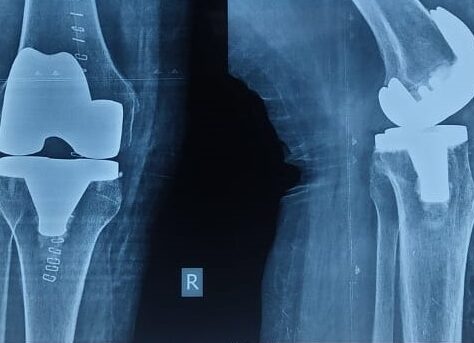
Total knee replacement, also called knee arthroplasty, is a surgical procedure where damaged cartilage and bone in the knee joint are removed and replaced with artificial components made from metal alloys and high-grade plastics. The surgery aims to restore function and reduce pain in severely diseased knee joints.
The procedure addresses conditions like osteoarthritis, rheumatoid arthritis, and post-traumatic arthritis. Surgeons perform this operation when conservative treatments fail to manage symptoms effectively.
Who Needs Knee Replacement Surgery?
Not everyone with knee pain requires surgery. Candidates typically experience:
- Severe knee pain that limits daily activities
- Moderate to severe pain during rest or sleep
- Chronic knee inflammation and swelling unresponsive to rest or medications
- Knee deformity where the joint appears bowed in or out
- Failure of other treatments like medications, injections, or physical therapy
Age is not the only determining factor. People in their 50s to 80s commonly undergo the procedure, but younger patients with severe joint damage may also benefit. Dr. Chandan’s Joint Clinic evaluates each patient individually to determine if surgery is the right choice.
Understanding the Surgical Procedure
Pre-Surgery Preparation
Before surgery, patients undergo several tests including blood work, X-rays, and sometimes MRI scans. These help surgeons plan the procedure accurately. Patients receive instructions about fasting, medication adjustments, and arranging post-surgery assistance at home.
The Surgery Process
Knee replacement surgery typically takes 1 to 2 hours. Here’s what happens:
- Anesthesia Administration: Patients receive either general anesthesia or spinal anesthesia combined with sedation.
- Incision Making: The surgeon makes an incision over the knee, usually 6 to 10 inches long.
- Bone Preparation: Damaged cartilage and bone surfaces are removed from the femur, tibia, and patella.
- Component Placement: Metal components are attached to the bone surfaces using cement or press-fit technique. A plastic spacer is inserted between the metal components to create a smooth gliding surface.
- Closure: The surgeon checks the knee’s range of motion, then closes the incision with stitches or staples.
Types of Knee Replacement
Partial Knee Replacement: Only one compartment of the knee is replaced. This option suits patients with damage limited to a specific area.
Total Knee Replacement: All three compartments of the knee joint are replaced. This is the most common type performed at facilities like Dr. Chandan’s Joint Clinic.
Revision Knee Replacement: A second surgery performed when a previous replacement wears out or fails.
Also Read:- Best Medicine for Joint Pain in Bhubaneswar: Expert Orthopedic Advice
Cost of Knee Replacement Surgery in Bhubaneswar
The cost varies depending on several factors:
- Type of implant used (Indian vs. imported)
- Hospital facilities and room category
- Surgeon’s fees
- Duration of hospital stay
- Post-surgery rehabilitation needs
In Bhubaneswar, knee replacement surgery typically costs between ₹1.5 lakhs to ₹3.5 lakhs for Indian implants and ₹2.5 lakhs to ₹5 lakhs for imported implants. These figures include surgeon fees, hospital charges, implant costs, and initial physiotherapy sessions.
Government schemes like Ayushman Bharat and state health insurance programs may cover part or all of the expenses for eligible patients. Private health insurance policies also provide coverage for this procedure.
Hospital Stay and Immediate Post-Surgery Care
Patients typically stay in the hospital for 3 to 5 days after surgery. Here’s what to expect:
Day of Surgery
After the procedure, you’ll spend time in the recovery room where medical staff monitor your vital signs. Pain management begins immediately through medications.
First 24 Hours
Physical therapy starts within hours of surgery. A therapist will help you sit up, stand, and take a few steps with assistance. This early movement prevents blood clots and speeds recovery.
Days 2-3
You’ll practice walking with a walker or crutches, climbing stairs, and performing exercises to strengthen the knee. Nurses will monitor the surgical site for any signs of infection.
Before Discharge
The medical team ensures you can safely perform basic movements, manage pain with oral medications, and understand home care instructions.
Recovery Timeline and Milestones
First 2 Weeks
- Use a walker or crutches for mobility
- Perform exercises prescribed by your physiotherapist three to four times daily
- Keep the surgical wound clean and dry
- Watch for signs of infection like increased redness, warmth, or drainage
Weeks 3-6
- Gradually reduce reliance on walking aids
- Increase exercise intensity and duration
- Many patients can drive if they have sufficient control and are not taking narcotic pain medications
- Return to light activities like short walks
Months 2-3
Most patients experience significant improvement in pain and function. You can resume most regular activities, though high-impact sports remain off-limits.
6-12 Months
Full recovery occurs within this timeframe. The artificial joint should function smoothly with minimal discomfort. Regular follow-up visits help monitor progress.
Physiotherapy: Your Path to Full Recovery
Physical therapy plays a critical role in successful outcomes. Exercises focus on:
Strengthening: Building muscle around the knee to support the new joint
Range of Motion: Gradually improving flexibility and movement
Balance and Coordination: Preventing falls and improving stability
Functional Training: Returning to daily activities safely
Commitment to prescribed exercises determines how quickly and completely you recover. Sessions may occur at a physiotherapy center, with some patients attending Dr. Chandan’s Joint Clinic for supervised rehabilitation.
Potential Complications and How to Avoid Them
While knee replacement surgery has a high success rate, potential complications include:
- Blood Clots: Prevented through early mobilization, blood-thinning medications, and compression stockings
- Infection: Reduced risk through sterile surgical techniques and prophylactic antibiotics
- Implant Wear or Loosening: Regular follow-ups help detect issues early
- Nerve or Blood Vessel Damage: Rare, but surgeons take precautions during the procedure
- Stiffness: Prevented through diligent physiotherapy
Contact your surgeon immediately if you experience fever, increasing pain, excessive swelling, or wound drainage.
Long-Term Outcomes and Implant Lifespan
Modern knee implants last 15 to 20 years or longer in most patients. Factors affecting longevity include:
- Patient weight and activity level
- Implant quality
- Surgical technique
- Post-surgery care and adherence to activity guidelines
Maintaining a healthy weight, avoiding high-impact activities, and attending regular check-ups protect your investment in better mobility.
Final Thoughts
Total knee replacement surgery offers a path back to pain-free movement for people suffering from severe knee arthritis or injury. While the decision to undergo surgery requires careful consideration, the procedure has helped millions regain their quality of life.
If you’re experiencing persistent knee pain that limits your daily activities, consult with an orthopedic specialist to explore your options. With proper surgical care, dedicated rehabilitation, and realistic expectations, knee replacement surgery can help you return to activities you enjoy.
Remember that recovery is a journey requiring patience and commitment. Follow your surgeon’s guidance, stay consistent with physiotherapy, and maintain open communication with your healthcare team for the best possible outcome.
Also Read:- Total Knee Replacement Surgery in Bhubaneswar: Procedure, Cost & Recovery Guide
Frequently Asked Questions
1.How painful is knee replacement surgery recovery?
Pain levels vary among patients, but modern pain management techniques make recovery tolerable. Most people experience significant discomfort in the first few days, which gradually decreases. By week 2, many patients manage pain with over-the-counter medications. Your surgical team will provide a comprehensive pain management plan tailored to your needs.
2.Can I kneel after total knee replacement?
Kneeling is possible after knee replacement, though some patients find it uncomfortable. The ability to kneel varies by individual and depends on implant design, surgical technique, and scar tissue formation. Physical therapy can help you attempt kneeling safely once your surgeon approves it, typically several months post-surgery.
3.What activities should I avoid after surgery?
Avoid high-impact activities like running, jumping, or contact sports. These can accelerate implant wear. Low-impact exercises like swimming, cycling, walking, and golf are generally safe. Always consult your surgeon before starting new physical activities to ensure they won’t compromise your knee replacement longevity.
4.Will I set off metal detectors at airports?
Yes, knee implants may trigger metal detectors. Most patients carry a medical implant identification card provided by their surgeon. Security personnel are familiar with this situation and will conduct a manual screening. Inform security staff about your implant before walking through detectors.
5.How soon can I return to work?
Return to work depends on your job type. Desk jobs may be resumed within 4 to 6 weeks. Physically demanding jobs requiring lifting, kneeling, or prolonged standing may need 3 to 6 months. Discuss your specific work requirements with your surgeon to plan an appropriate timeline.
Choosing the Right Orthopedic Surgeon in Bhubaneswar
Selecting an experienced surgeon significantly impacts your outcome. Look for:
- Board certification in orthopedic surgery
- Specialization in joint replacement
- High surgical volume (surgeons who perform more procedures typically have better outcomes)
- Positive patient reviews and testimonials
- Access to modern surgical techniques and quality implants
Your surgeon should explain the procedure clearly, answer all questions, and create a personalized treatment plan.