Non Invasive Knee Surgery: A Complete Guide to Modern Knee Care
Are you searching for non invasive knee surgery because you want relief from joint pain without the fear of a major operation? If so, you are asking exactly the right question. Therefore, this guide will walk you through what this approach actually involves, who qualifies for it, and when it may eventually need to be paired with more advanced procedures such as Knee Replacement in Bhubaneswar. Furthermore, we will explain how modern orthopedic clinics evaluate candidates for this treatment using precise diagnostic tools rather than guesswork.
Consequently, whether you have just started experiencing knee discomfort or have been managing it for years, understanding your full range of options — from these procedures to Total Knee Arthroplasty Bhubaneswar and Partial Knee Arthroplasty Bhubaneswar — will help you make a confident, informed decision. Additionally, this guide will highlight practical lifestyle habits that support joint health regardless of which treatment path you eventually choose, since long-term outcomes often depend as much on daily habits as on the procedure itself.
What Is Non Invasive Knee Surgery?
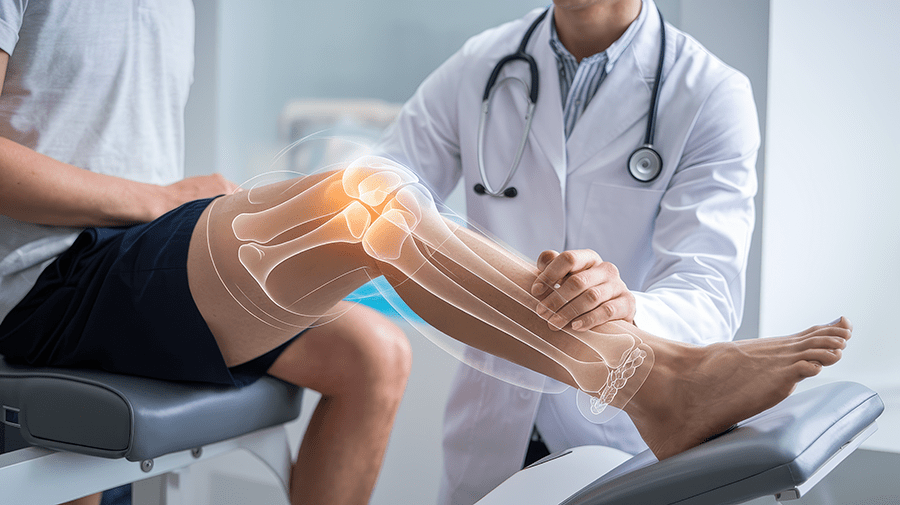
This option refers to a category of procedures and interventions that treat knee problems without large incisions, extensive tissue disruption, or prolonged hospital stays. Instead, these techniques rely on precision tools, injections, or minimal-access instruments to address pain and damage at its source. As a result, patients often experience shorter recovery windows compared to traditional open surgery.
For instance, a patient with early-stage cartilage wear may benefit significantly from minimally invasive knee treatment long before total joint replacement becomes necessary. Nevertheless, not everyone is a suitable candidate, since the effectiveness of such treatment depends heavily on the stage and location of joint damage. Therefore, a thorough clinical evaluation is essential before proceeding.
Key Features of Non Invasive Knee Surgery
Broadly speaking, these techniques share a common set of advantages that make them attractive to patients who wish to avoid the disruption of a major operation. Therefore, before exploring specific procedure types, it helps to understand what generally sets this category of treatment apart from conventional surgery.
- Minimal or no large incisions required
- Reduced blood loss compared to open surgery
- Shorter hospital stays, often same-day discharge
- Faster return to daily activities
- Lower risk of infection due to smaller access points
Who Is a Good Candidate for Non Invasive Knee Surgery?
Understandably, patients often wonder whether they qualify for this technique or whether their condition has progressed too far. Consequently, orthopedic specialists rely on a combination of imaging, physical examination, and patient history to determine eligibility.
Ideal Candidates
| Patient Profile | Suitability for This Approach |
| Early-stage osteoarthritis | Highly suitable |
| Isolated cartilage damage | Suitable, case-dependent |
| Mild to moderate ligament injury | Often suitable |
| Advanced, multi-compartment arthritis | Generally not suitable |
| Severe bone-on-bone joint damage | Not suitable; surgical replacement likely needed |
However, it is worth noting that even patients who do not initially qualify for these minimally invasive options may still benefit from a staged approach, starting conservatively and escalating only if necessary. You can explore this pathway further through our Conservative Treatment and Non-Surgical Joint & Back Pain Intervention services.
Common Types of Non Invasive Knee Surgery and Interventions
Given the growing demand for this form of treatment, several distinct techniques have emerged, each suited to different stages of joint damage. Therefore, let us break down the most common approaches available today.
Arthroscopic Procedures
Arthroscopy uses a small camera and narrow instruments inserted through tiny incisions, allowing surgeons to repair torn cartilage or ligaments without opening the joint fully. As a result, this remains one of the most widely used forms of this approach for younger, active patients.
Injection-Based Therapies
- Corticosteroid injections — reduce inflammation and provide temporary pain relief
- Hyaluronic acid injections — improve joint lubrication for smoother movement
- Platelet-Rich Plasma (PRP) therapy — uses the patient’s own blood components to promote healing
- Regenerative cell-based therapies — support tissue repair in select cases
Consequently, these injection-based options are frequently combined with physiotherapy to maximize outcomes, particularly for patients not yet ready for more invasive intervention.
Radiofrequency and Nerve-Based Treatments
For patients whose primary issue is chronic pain rather than structural damage, radiofrequency ablation offers a non-surgical way to interrupt pain signals. Furthermore, this approach can be an effective bridge for patients delaying more invasive procedures such as Knee Replacement in Bhubaneswar.
Non Invasive Knee Surgery vs. Traditional Open Surgery
Naturally, patients want to understand exactly how this treatment compares to conventional open procedures. Therefore, the table below outlines the core differences.
| Factor | These procedures | Traditional Open Surgery |
| Incision size | Minimal or none | Larger incisions required |
| Hospital stay | Often same-day or overnight | Multiple days typically |
| Recovery time | Faster | Longer |
| Suitability | Early to moderate joint damage | Advanced joint damage |
| Long-term outcome for severe cases | Limited | More definitive |
Nonetheless, it is important to recognize that this option is not always a permanent solution. For instance, patients with advanced arthritis may find that minimally invasive knee treatment only delays, rather than eliminates, the eventual need for joint replacement.
When Non Invasive Knee Surgery Is Not Enough
Despite its many advantages, such treatment has limitations, particularly for patients with severe, long-standing joint degeneration. Consequently, when pain, stiffness, and mobility loss persist despite conservative and minimally invasive treatment, specialists often recommend evaluating candidacy for Knee Replacement in Bhubaneswar. You can review the complete surgical pathway on our Joint Replacement Surgery page.
Signs That You May Need to Move Beyond Non Invasive Knee Surgery
- Persistent pain despite injections or physiotherapy
- Significant loss of range of motion
- Visible joint deformity
- Bone-on-bone contact confirmed on imaging
- Nighttime pain disrupting sleep consistently
Therefore, if you notice several of these signs, it is advisable to consult a specialist promptly rather than continuing with this technique alone.
Total Knee Arthroplasty Bhubaneswar vs. Partial Knee Arthroplasty Bhubaneswar
When this method is no longer sufficient, the next step typically involves choosing between two surgical replacement approaches. As a result, understanding the distinction becomes essential.
| Factor | Total Knee Arthroplasty Bhubaneswar | Partial Knee Arthroplasty Bhubaneswar |
| Joint area treated | Entire knee joint | Single damaged compartment |
| Ideal for | Widespread arthritis | Localized joint damage |
| Recovery time | Moderate | Generally faster |
| Bone preservation | Less natural bone retained | More natural bone retained |
| Long-term durability | High | High, for appropriate candidates |
Furthermore, for patients whose joint damage is caught early, Joint Preservation Surgery may serve as an additional bridge between these minimally invasive options and full replacement, helping to delay the need for either Total Knee Arthroplasty Bhubaneswar or Partial Knee Arthroplasty Bhubaneswar.
Understanding Knee Replacement Cost in Bhubaneswar
Since some patients eventually transition from this form of treatment to a full replacement, it is natural to ask about the Knee Replacement Cost in Bhubaneswar. Given that pricing depends on implant type, surgical technique, and hospital stay, we recommend an in-person consultation for an accurate estimate. Nonetheless, transparent clinics ensure that the Knee Replacement Cost in Bhubaneswar is discussed clearly upfront, so patients can plan without financial uncertainty.
Factors That Influence Knee Replacement Cost in Bhubaneswar
Understandably, no two patients face exactly the same expense, since several variables shape the final estimate. Consequently, reviewing these factors ahead of your consultation can help you ask more informed questions and compare options with greater clarity.
- Type of surgery — total versus partial knee replacement
- Implant material and brand
- Hospital stay duration and room category
- Use of robotic or computer-assisted technology
- Post-surgery physiotherapy and follow-up care
Recovery After Non Invasive Knee Surgery
Understandably, recovery expectations vary depending on the specific type of this approach performed. However, in general, patients can expect a considerably smoother recovery compared to open surgical alternatives.
Typical Recovery Timeline
| Procedure Type | Return to Light Activity | Full Recovery |
| Injection-based therapy | Within 1–2 days | 2–4 weeks |
| Arthroscopic procedures | Within 1 week | 4–6 weeks |
| Radiofrequency treatment | Within 1–2 days | 2–3 weeks |
| Total or Partial Knee Arthroplasty | 2–4 weeks | 3–6 months |
Consequently, patients who undergo this treatment often resume normal daily routines considerably faster, though a structured physiotherapy program remains essential for optimal, long-term results.
Myths and Facts About Minimally Invasive Knee Treatment
Understandably, a great deal of confusion surrounds minimally invasive knee treatment, and therefore separating fact from fiction is important before making a decision. For instance, many patients assume that any procedure without a large incision is automatically risk-free, which is not entirely accurate. Consequently, the table below addresses some of the most common misconceptions.
Common Myths vs. Verified Facts
| Myth | Fact |
| It works for every stage of arthritis | Suitability depends on the severity and location of joint damage |
| Recovery is always painless | Mild discomfort is normal, though considerably less than open surgery |
| Results last forever | Benefits are often long-lasting but may require repeat sessions over time |
| It replaces the need for physiotherapy | Physiotherapy remains essential for lasting results |
| It is only for older patients | Younger, active patients frequently benefit as well |
Therefore, understanding these distinctions helps patients set realistic expectations before beginning treatment, rather than assuming a one-time fix will resolve every underlying issue.
Lifestyle Adjustments That Support Long-Term Joint Health
In addition to medical treatment, certain lifestyle changes can meaningfully support recovery and delay further joint degeneration. As a result, orthopedic specialists frequently recommend the following alongside any procedure:
- Maintaining a healthy body weight to reduce joint load
- Engaging in low-impact exercises such as swimming or cycling
- Strengthening the muscles surrounding the knee through guided physiotherapy
- Avoiding prolonged periods of standing or kneeling on hard surfaces
- Wearing supportive, well-cushioned footwear during daily activities
Furthermore, these adjustments are equally valuable whether a patient pursues conservative management, a minimally invasive procedure, or eventually progresses toward Total Knee Arthroplasty Bhubaneswar or Partial Knee Arthroplasty Bhubaneswar.
Preparing for Your Consultation
Naturally, patients wish to make the most of their first visit to an orthopedic specialist. Consequently, a little preparation beforehand can significantly improve the quality of the consultation and the accuracy of the treatment plan that follows.
What to Bring to Your First Appointment
- Previous imaging reports, such as X-rays or MRI scans, if available
- A list of current medications and supplements
- A brief history of the pain, including when it started and what worsens it
- Details of any prior injuries or surgeries involving the knee
- Questions you would like answered regarding treatment options
However, even without prior imaging, an experienced specialist can order the appropriate tests during your first visit. Therefore, do not delay a consultation simply because you lack complete medical records. Furthermore, being transparent about your daily activity levels, occupation, and long-term goals allows the specialist to recommend an approach — whether conservative, minimally invasive, or surgical — that truly fits your lifestyle. Consequently, patients who arrive prepared often leave their first consultation with a clearer, more actionable treatment roadmap than those who wait until symptoms become severe.
Why Choosing the Right Specialist for Non Invasive Knee Surgery Matters
Ultimately, the success of these procedures depends heavily on accurate diagnosis and the surgeon’s experience with both minimally invasive and traditional surgical techniques. Dr. Chandan Kumar Panda has completed specialized fellowships in Germany and the USA, and notably, he was the first surgeon in Odisha to perform a robotic knee replacement, giving patients access to a full spectrum of care — from this option through to Knee Replacement in Bhubaneswar — under one roof.
Therefore, patients benefit from continuity of care, since the same specialist who evaluates candidacy for minimally invasive knee treatment can seamlessly guide them toward Total Knee Arthroplasty Bhubaneswar or Partial Knee Arthroplasty Bhubaneswar if their condition progresses. You can learn more about his background and training on our About Us page, review outcomes on our Results page, or read further clinical insights on our Blogger and Tumblr profiles, and connect professionally via LinkedIn.
Frequently Asked Questions
Q1. What is non invasive knee surgery? Such treatment refers to procedures and interventions that treat knee pain and damage without large incisions or extensive tissue disruption, often including arthroscopy, injections, and radiofrequency treatments.
Q2. Is non invasive knee surgery suitable for arthritis? Yes, non invasive knee surgery can be effective for early to moderate arthritis. However, advanced, bone-on-bone arthritis often requires surgical replacement instead.
Q3. How long does recovery from non invasive knee surgery take? Recovery timelines vary by procedure, but most patients resume light activity within days and achieve full recovery within a few weeks, considerably faster than traditional open surgery.
Q4. What is the Knee Replacement Cost in Bhubaneswar if non invasive treatment does not work? The Knee Replacement Cost in Bhubaneswar depends on implant type, surgical technique, and hospital stay. Therefore, an in-person consultation is recommended for an accurate quote. You can contact us directly.
Q5. What is the difference between Total Knee Arthroplasty Bhubaneswar and Partial Knee Arthroplasty Bhubaneswar? Total Knee Arthroplasty Bhubaneswar replaces the entire joint, while Partial Knee Arthroplasty Bhubaneswar replaces only the damaged compartment, generally allowing for a shorter recovery period.
Q6. Are the results of minimally invasive knee treatment permanent? Not always. Injection-based therapies and arthroscopic repairs can provide substantial, lasting relief, but results vary by patient and underlying condition. Therefore, periodic follow-up with your specialist helps determine whether repeat treatment or a different approach, such as joint replacement, becomes necessary over time.
Final Thoughts
Ultimately, non invasive knee surgery offers a valuable, lower-risk pathway for patients dealing with early to moderate knee problems, and therefore should always be explored before considering more invasive alternatives. However, when this form of treatment is no longer sufficient, options such as Knee Replacement in Bhubaneswar, guided decisions around Knee Replacement Cost in Bhubaneswar, and a clear understanding of Total Knee Arthroplasty Bhubaneswar versus Partial Knee Arthroplasty Bhubaneswar ensure that patients are never left without a path forward. Consequently, do not delay your evaluation — book a consultation today and take the first step toward lasting knee health.