Knee pain can turn simple activities like climbing stairs or taking a morning walk into painful challenges. While many people manage mild discomfort with rest and medication, some conditions progress to a point where surgery becomes the best option. Understanding when conservative treatments stop working and recognizing the signs that indicate you might need total knee replacement surgery can help you make informed decisions about your health.
Understanding Total Knee Replacement Surgery
Total knee replacement, also called knee arthroplasty, involves removing damaged cartilage and bone from the knee joint and replacing them with artificial components made of metal and plastic. Surgeons perform this procedure when the knee joint has deteriorated to a point where other treatments no longer provide relief.
The procedure addresses severe damage to the knee joint, typically caused by osteoarthritis, rheumatoid arthritis, or post-traumatic arthritis. During surgery, the damaged surfaces of the thighbone, shinbone, and kneecap get resurfaced with prosthetic components designed to restore normal knee function.
Also Read:- Best Medicine for Joint Pain in Bhubaneswar: Expert Orthopedic Advice
Clear Warning Signs You Might Need Surgery
Persistent Pain That Disrupts Daily Life
Chronic knee pain that refuses to improve despite months of conservative treatment serves as a primary indicator. If your knee hurts constantly, whether you’re active or resting, and pain medications provide little relief, your joint damage may have progressed significantly.
Many patients describe this pain as a deep ache that intensifies with movement. The discomfort might wake you up at night, making it difficult to find a comfortable sleeping position. When pain becomes this pervasive, consulting a knee replacement doctor becomes necessary to evaluate your treatment options.
Severe Stiffness and Limited Range of Motion
Your knee joint should allow smooth bending and straightening. When arthritis or injury causes significant damage, the joint becomes stiff and inflexible. You might struggle to bend your knee enough to sit comfortably in a chair or straighten it fully when standing.
This stiffness often feels worse in the morning or after sitting for extended periods. If you find yourself unable to perform basic movements like getting in and out of a car without significant difficulty, your knee function has likely declined to a level where surgery could help.
Instability and Buckling
A healthy knee should feel stable and secure when you walk or stand. When joint damage becomes severe, your knee might suddenly give way or buckle unexpectedly. This instability creates a real risk of falls and further injury.
Dr. Chandan’s Joint Clinic evaluates patients experiencing knee instability to determine whether structural damage has compromised joint integrity. Buckling episodes signal that the bones no longer align properly, and the supporting structures have weakened beyond what physical therapy can address.
Visible Deformity
Advanced arthritis can cause visible changes to your knee’s appearance. The joint might develop a knock-kneed or bow-legged deformity as the cartilage wears away unevenly. These changes occur gradually but eventually become noticeable to you and others.
Deformity affects more than appearance. It alters how weight distributes across the joint, accelerating damage and increasing pain. A knee replacement doctor can assess whether the deformity has progressed to a stage where surgical correction would benefit you.
Failed Conservative Treatments
Before considering surgery, doctors typically recommend several non-surgical approaches. These include:
- Physical therapy to strengthen muscles around the knee
- Weight management to reduce stress on the joint
- Anti-inflammatory medications to control pain and swelling
- Corticosteroid injections to provide temporary relief
- Hyaluronic acid injections to improve joint lubrication
- Assistive devices like canes or braces for support
When these treatments stop providing meaningful relief after several months of consistent effort, surgery often becomes the next logical step. Dr. Chandan’s Joint Clinic works with patients to exhaust appropriate conservative options before recommending surgical intervention.
Who Makes a Good Candidate for Surgery?
The best knee replacement candidates share several characteristics. They experience significant pain and functional limitations that interfere with daily activities and quality of life. Their knee damage shows up clearly on X-rays or other imaging studies, confirming structural problems that explain their symptoms.
Good candidates also maintain realistic expectations about surgery outcomes and recovery. They understand that knee replacement can reduce pain and improve function but won’t make their knee exactly like it was before arthritis developed.
Age alone doesn’t determine candidacy. While most people who undergo this procedure are between 50 and 80 years old, younger and older patients can benefit when appropriate. Your overall health matters more than your age. People with well-controlled medical conditions like diabetes or heart disease can safely undergo surgery with proper management.
When to Consult a Specialist
Schedule an evaluation with a knee replacement doctor when knee pain persists beyond three to six months despite conservative treatment. Don’t wait until your condition becomes unbearable. Earlier consultation allows for comprehensive assessment and discussion of all available options.
During your visit, your doctor will review your medical history, examine your knee, and likely order imaging studies. X-rays reveal the extent of joint damage, while MRI scans can identify problems with soft tissues like ligaments and tendons. These tests help determine whether your symptoms match the level of structural damage and whether surgery would likely help.
Alternative Options Before Surgery
Some patients benefit from additional conservative measures before committing to surgery. Viscosupplementation, a series of injections that add lubricating fluid to the joint, can provide relief for months. Newer treatments like platelet-rich plasma (PRP) injections show promise for some patients with early to moderate arthritis.
Partial knee replacement offers another alternative for people with damage limited to one compartment of the knee. This less invasive procedure preserves healthy portions of the joint and typically allows for faster recovery than total replacement.
At Dr. Chandan’s Joint Clinic, specialists evaluate each patient individually to recommend the most appropriate treatment based on their specific condition, activity level, and goals. This personalized approach ensures you receive care tailored to your needs rather than a one-size-fits-all solution.
What to Expect from Surgery
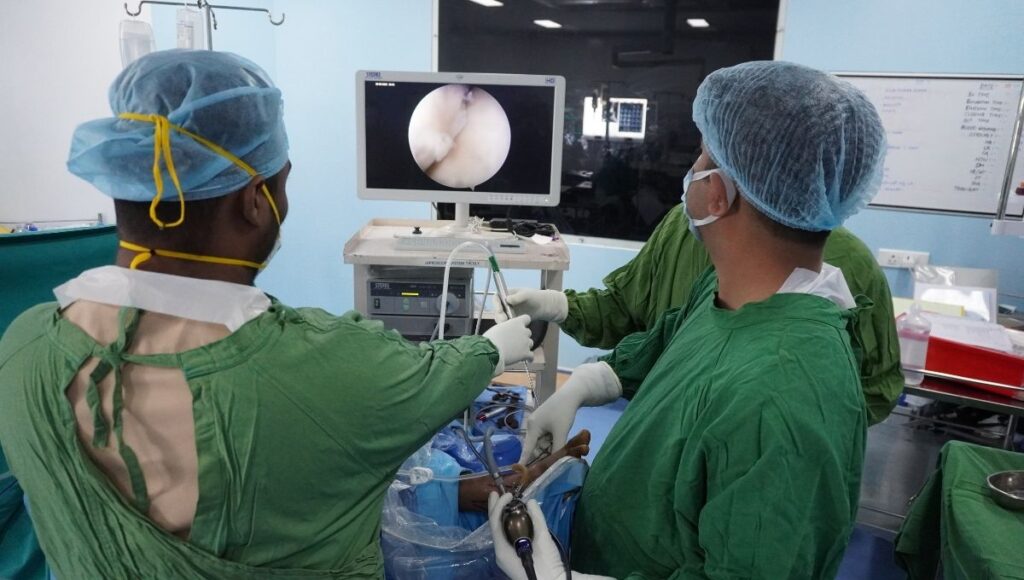
Understanding the surgical process can help reduce anxiety about the procedure. Modern knee replacement surgery typically takes one to two hours. Surgeons use advanced techniques and technologies to improve precision and outcomes.
Most patients stay in the hospital for one to three days after surgery. Physical therapy begins almost immediately, often on the same day as surgery. Early mobilization helps prevent complications and speeds recovery.
Recovery continues at home with outpatient physical therapy. Most people resume light daily activities within three to six weeks and experience maximum improvement within three to six months. The artificial joint can last 15 to 20 years or longer with proper care.
Making Your Decision
Choosing to undergo knee replacement surgery represents a significant decision that only you can make. Weigh the severity of your symptoms against the risks and benefits of surgery. Consider how your current knee problems affect your ability to work, enjoy hobbies, and maintain independence.
Talk openly with your doctor about your concerns and expectations. Ask questions about success rates, potential complications, and realistic outcomes. A good surgeon will provide honest answers and support you in making the choice that feels right for your situation.
Also Read:- Total Knee Replacement Surgery in Bhubaneswar: Procedure, Cost & Recovery Guide
Frequently Asked Questions
Q: How long does knee replacement surgery take to perform?
The actual surgical procedure typically takes between one and two hours. Your total time in the operating room will be longer when you account for anesthesia preparation and post-surgery monitoring before transfer to the recovery area. Most patients remain in the hospital for one to three days following the procedure.
Q: Can I delay knee replacement surgery once my doctor recommends it?
Yes, knee replacement surgery is almost always an elective procedure that you can schedule when ready. Unless you have a rare urgent complication, you can take time to prepare mentally and physically. Keep in mind that waiting too long with severe damage can lead to muscle weakness and reduced mobility that may affect recovery.
Q: What are the main risks associated with knee replacement surgery?
Like all surgical procedures, knee replacement carries risks including infection, blood clots, nerve damage, and complications from anesthesia. Modern surgical techniques and preventive measures have made serious complications relatively rare. Your surgical team will take specific steps to minimize these risks and monitor you closely during recovery.
Q: Will I be able to kneel or squat after knee replacement surgery?
Many people can kneel after full recovery, though some find it uncomfortable due to the artificial joint components under the skin. Squatting deeply may feel different than before surgery, but most patients regain the ability to perform daily activities including gardening, playing with grandchildren, and light recreational activities without problems.
Q: How do I choose the best knee replacement surgeon for my procedure?
Look for a surgeon who performs knee replacements regularly, as higher surgical volume correlates with better outcomes. Check their credentials, training, and patient reviews. Schedule consultations with multiple surgeons if desired. The best knee replacement specialist will take time to explain the procedure, answer your questions, and make you feel confident in their care.